🧬 BIOTECH CATALYST AI SCANNER — January WK1
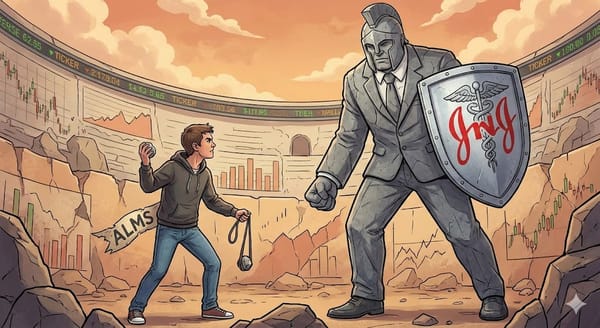
After a jam-packed December 2025, we enter the second week of 2026 with a sharply divided biotech market. While the XBI struggles to find its footing, our scanner has identified a distinct bifurcation: a cluster of “Pressure Cooker” setups—micro-caps with shrinking cash runways colliding with near-term data—versus well-capitalized “Fortress” plays offering stability.
The volatility in the micro-cap space is palpable, exemplified by Processa Pharmaceuticals' post-split restructuring and momentum surge. This week's scan highlights candidates where catalyst timelines and valuation disconnects are most extreme.
What We're Tracking:
- Low Float Explosions: Processa (PCSA), BriaCell (BCTX)
- Cash vs. Catalyst Collision: Cabaletta Bio (CABA), Ultragenyx (RARE)
- Fortress Balance Sheets: Rhythm (RYTM), Praxis (PRAX), Acrivon (ACRV)
- Comeback Plays: GSK, Monte Rosa (GLUE)
FEATURED CATALYSTS
#1. PCSA — Processa Pharmaceuticals Inc.
📊 FINANCIAL SNAPSHOT Price: $2.93 | Cap: $6.64M | Cash: $2.54M | Runway: 2mo | Float: 2.27M | RSI: 60.65 | Momentum (21d): 997.38% (1-25 reverse split 2025-12-17)| Volume Ratio: 0.11x
🎯 THE CATALYST Event: NGC-Capecitabine (PCS6422) — Phase 2 in Breast cancer Date: Early 2026 (Est.) 🛡️ FDA Status: NaN ⭐ BSI SCORE: 9.03/10
Processa flips capecitabine into a cancer-killing metabolite booster—aiming for 3-6x more exposure without toxicity spikes—targeting advanced breast cancer where standard chemo fizzles.
The Setup: A textbook "Pressure Cooker" scenario intensified by the December 17th 1-for-25 reverse split, which compressed the float to a tiny 2.27M shares. With a 2-month cash fuse lit ($2.54M on hand) and a Phase 2 interim readout imminent, the +997% momentum is skewed by recent 1-for-25 reverse split from December. It is binary mechanics at its purest: extinction via dilution or explosion via data.
Science & Edge: NGC-Capecitabine (PCS6422) inhibits the enzyme that breaks down 5-FU, ramping up the cancer-killing metabolite within tumors while maintaining safety parity with monotherapy (confirmed Dec 2025). This creates a potency edge over generic Xeloda in resistant breast cancer that no direct rival is replicating with this precision.
Risk/Reward: Bull: Interim data confirms metabolite surge, triggering a squeeze on the micro-float and enabling a survival financing. Bear: Data underwhelms or cash runs out weeks before the readout, forcing a toxic raise that crushes the stock.
#2. GSK — GSK plc American Depositary Shares
📊 FINANCIAL SNAPSHOT Price: $49.63 | Cap: $100.64B | Cash: $10.04B | Runway: 12mo+ | Float: 2039.41M | RSI: 61.19 | Momentum (21d): 1.35% | Volume Ratio: 0.78x
🎯 THE CATALYST Event: Linerixibat - (GLISTEN) — PDUFA in Primary biliary cholangitis (PBC) Date: 2026-03-24 ⭐ BSI SCORE: 8.20/10
GSK shed its vaccine baggage and pharma misfires, now wielding linerixibat—a bile acid blocker born from years of liver itch torment—to claw back rare disease glory with a $10B cash fortress.
The Setup: A massive divergence from typical small-cap plays. GSK is positioning for a "Comeback" narrative, using the March 24 PDUFA to break out of its valuation stagnation. With RSI at 61.2 and steady accumulation, the market is quietly pricing in a win for this itch-crushing asset, which could redefine their rare disease revenue profile.
Science & Edge: Linerixibat blocks the ileal bile acid transporter (IBAT), cutting off the recycling of bile acids that cause debilitating itch in PBC. Data from GLISTEN showed a significant drop in itch scores (p=0.001) and sleep improvements. Its twice-daily dosing offers a tolerability edge over peers, addressing the "unscratchable itch" that persists even after standard liver treatments.
Risk/Reward: Bull: Approval cements a blockbuster franchise in cholestatic pruritus, re-rating GSK's multiple as a serious rare disease player. Bear: GI side effects (diarrhea) limit real-world adherence, or commercial uptake lags behind established PBC rivals like Livdelzi.
#3. RYTM — Rhythm Pharmaceuticals Inc.
📊 FINANCIAL SNAPSHOT Price: $105.01 | Cap: $7.01B | Cash: $387.36M | Runway: 36mo+ | Float: 66.74M | RSI: 19.35 | Momentum (21d): 0.36% | Volume Ratio: 0.49x
🎯 THE CATALYST Event: Setmelanotide - (TRANSCEND) — PDUFA in Hypothalamic obesity Date: 2026-03-20 🛡️ FDA Status: BTD ⭐ BSI SCORE: 8.16/10
Rhythm wields setmelanotide, a rare MC4R agonist unlocking hunger control in hypothalamic obesity and genetic defects like BBS/PCSK1, backed by BTD and orphan shields for premium pricing in underserved niches.
The Setup: This is a "Fortress" play trading at deeply oversold levels (RSI 19.3). The market has irrationally punished the stock despite a $387M war chest that funds operations well into 2027. The PDUFA date for hypothalamic obesity represents a massive label expansion opportunity that is currently mispriced, creating a classic mean-reversion opportunity.
Science & Edge: Setmelanotide bypasses damaged upstream pathways to directly activate MC4R, curbing the insatiable hunger (hyperphagia) driving hypothalamic obesity. ObesityWeek 2025 data confirmed deep BMI reductions. The edge lies in its BTD status and orphan exclusivity—there are no approved competitors for this specific, severe form of obesity.
Risk/Reward: Bull: PDUFA approval unlocks the larger HO market, triggering a short squeeze and trend reversal toward fair value. Bear: Unexpected FDA rejection on metabolic safety signals craters the premium valuation; oral competitors eventually erode the moat.
#4. GLUE — Monte Rosa Therapeutics Inc.
📊 FINANCIAL SNAPSHOT Price: $15.31 | Cap: $996.95M | Cash: $499.50M | Runway: 12mo+ | Float: 65.12M | RSI: 43.84 | Momentum (21d): -9.19% | Volume Ratio: 0.40x
🎯 THE CATALYST Event: MRT-2359 — Phase 1/2 in MYC-driven solid tumors Date: 2026-02-28 🛡️ FDA Status: FTD, ODD ⭐ BSI SCORE: 8.10/10
Monte Rosa deploys targeted protein degradation (TPD) to selectively eliminate cancer drivers like MYC. Differentiated mechanism—degrading undruggable targets competitors can't touch, avoiding traditional kinase inhibitor resistance pathways.
The Setup: A "Dark Horse" operating in stealth. Despite reporting a 100% PSA response in early cohorts, the stock drifts with negative momentum (-9.19%). The 12+ month runway and nearly $500M in cash provide a safety net leading into the ASCO Genitourinary readout. The disconnect between the "undruggable" target validation and the sub-$1B market cap is glaring.
Science & Edge: MRT-2359 acts as a molecular glue, recruiting enzymes to degrade MYC—a notorious cancer driver previously considered impossible to drug. Early data showing 100% disease control in a small cohort suggests the mechanism works. This specific approach to MYC degradation is a first-in-class edge over crowded PD-1/L1 spaces.
Risk/Reward: Bull: Phase 2 data at ASCO validates the platform, positioning GLUE as a prime acquisition target for big pharma craving TPD assets. Bear: The small sample size (n=4) was a fluke; larger datasets reveal safety issues or lack of efficacy, crushing the TPD narrative.
#5. BCTX — BriaCell Therapeutics Corp.
📊 FINANCIAL SNAPSHOT Price: $7.17 | Cap: $13.48M | Cash: -$2.94M (Debt) | Runway: 1mo | Float: 1.88M | RSI: 29.34 | Momentum (21d): -43.28% | Volume Ratio: 1.24x
🎯 THE CATALYST Event: Bria-IMT - (BRIA-ABC) — Phase 3 in Advanced breast cancer Date: Early 2026 (Est.) ⭐ BSI SCORE: 8.06/10
BriaCell wields off-the-shelf Bria-IMT (BRIA-ABC), a primed cell vaccine hijacking breast tumors' own antigens for NK and T-cell blitz, dodging bespoke neoantigen pitfalls.
The Setup: The definition of "Pressure Cooker." With a 1-month runway and negative cash position, BCTX is running on fumes heading into a Phase 3 topline readout. The stock is technically broken (RSI 29, -43% momentum), but the low float (1.88M) means any positive spark from the data could ignite a violent repricing.
Science & Edge: Bria-IMT is an off-the-shelf cellular immunotherapy that triggers both antibody and T-cell responses. Recent biomarker data showed zero treatment-related discontinuations, a safety edge over toxic antibody-drug conjugates (ADCs). Unlike personalized vaccines that take months to manufacture, this is ready immediately—a crucial commercial advantage.
Risk/Reward: Bull: Phase 3 efficacy surprises to the upside, driving a multi-bagger move from these depressed levels and allowing a clean capital raise. Bear: Insolvency strikes before data, or the trial misses endpoints, rendering the equity worthless.
#6. INMB — INmune Bio Inc.
📊 FINANCIAL SNAPSHOT Price: $1.54 | Cap: $93.90M | Cash: $21.87M | Runway: 12mo+ | Float: 60.98M | RSI: 15.12 | Momentum (21d): -12.50% | Volume Ratio: 1.09x
🎯 THE CATALYST Event: XPRO1595 - (MINDFuL) — Phase 2 in Early Alzheimer's Disease (AD) Date: Early 2026 (Est.) ⭐ BSI SCORE: 7.86/10
INmune Bio operates a dual-platform innate immunity play: dominant-negative TNF (XPro™) targeting neuroinflammation and treatment-resistant depression, plus NK cell priming (INKmune®) for residual cancer disease.
The Setup: A "Platform Play" trading at a distressed valuation. The stock is deeply oversold (RSI 15.1) despite a decent 12-month runway. The market is ignoring the potential of XPro to treat Alzheimer's via inflammation reduction—a distinct pathway from the amyloid hypothesis. The upcoming End-of-Phase-2 meeting is the pivot point.
Science & Edge: XPro1595 selectively neutralizes soluble TNF (the "bad" inflammation) while sparing transmembrane TNF (vital for immune function/myelination). This selective inhibition avoids the infection risks of drugs like Humira. By targeting neuroinflammation directly, it offers a novel angle in AD where amyloid-clearing drugs have struggled with safety.
Risk/Reward: Bull: FDA agreement on a Phase 3 design validates the neuroinflammation thesis, sparking a re-rating toward peer valuations. Bear: The FDA requires another massive Phase 2 trial, draining the remaining cash and stranding the asset.
#7. CABA — Cabaletta Bio Inc.
📊 FINANCIAL SNAPSHOT Price: $2.21 | Cap: $212.75M | Cash: $122.74M | Runway: 10mo | Float: 96.27M | RSI: 39.13 | Momentum (21d): -11.60% | Volume Ratio: 0.36x
🎯 THE CATALYST Event: CABA-201 - (RESET-SLE) — Phase 1/2 in Systemic Lupus Erythematosus Date: Early 2026 (Est.) 🛡️ FDA Status: FTD ⭐ BSI SCORE: 7.63/10
Cabaletta Bio pioneers CaPR-01 CAR T therapy, resetting immunity via 100% B cell depletion and naïve repopulation in SLE—unlike chronic suppressors, it aims for cure-like reset.
The Setup: Another "Pressure Cooker," though with a slightly longer fuse (10 months) than the micros. The stock has been beaten down (-11.6% momentum) despite holding a Fast Track Designation. The $212M market cap implies skepticism that CAR-T can scale in autoimmune diseases, but the 1H 2026 data is the decisive test of the "immune reset" hypothesis.
Science & Edge: CABA-201 is designed to transiently but completely wipe out B cells, allowing the immune system to reboot with fresh, non-autoreactive cells. Recent data showing 100% depletion and subsequent naïve repopulation supports the mechanism. This "one-and-done" potential is a massive edge over lifelong immunosuppression.
Risk/Reward: Bull: Clinical data confirms durable drug-free remission, positioning CABA as the leader in the hottest space in biotech (autoimmune CAR-T). Bear: Safety signals (CRS/ICANS) emerge or efficacy wanes, causing the stock to drift into cash-burn oblivion.
#8. PRAX — Praxis Precision Medicines Inc.
📊 FINANCIAL SNAPSHOT Price: $286.40 | Cap: $7.16B | Cash: $722.04M | Runway: 24mo+ | Float: 25.01M | RSI: 59.61 | Momentum (21d): 53.85% | Volume Ratio: 0.43x
🎯 THE CATALYST Event: Relutrigine (PRAX-562) - (EMBOLD) — NDA Filing in Developmental epileptic encephalopathies (DEEs) Date: Early 2026 (Est.) 🛡️ FDA Status: BTD, ODD ⭐ BSI SCORE: 7.54/10
Praxis carves a rare CNS niche with precision therapies for DEEs and tremors, wielding BTD/ODD shields in barren fields where Big Pharma treads lightly. Relutrigine targets SCN2A/SCN8A voids with 53% seizure cuts.
The Setup: A "High Velocity" breakout. Praxis has surged +53% on the back of virgin data, yet the RSI (59.6) suggests it hasn't overheated. With a $722M "Fortress" balance sheet and an NDA filing imminent, this is a rare instance of a high-quality asset moving into a regulatory approval window with ample capital to launch.
Science & Edge: Relutrigine is a precision sodium channel blocker. By showing a 53% placebo-adjusted reduction in seizures and significant motor-free days, it has cleared a high bar in difficult-to-treat DEEs. The orphan designation and breakthrough status provide a regulatory moat that generics cannot easily cross.
Risk/Reward: Bull: NDA acceptance and subsequent approval creates a monopoly in SCN2A/8A DEEs, justifying the premium valuation. Bear: The FDA finds faults in the submission package, delaying the launch and deflating the momentum premium.
#9. ACRV — Acrivon Therapeutics Inc.
📊 FINANCIAL SNAPSHOT Price: $2.46 | Cap: $77.63M | Cash: $116.02M | Runway: 24mo+ | Float: 31.56M | RSI: 42.86 | Momentum (21d): 7.89% | Volume Ratio: 0.41x
🎯 THE CATALYST Event: ACR-2316 — Phase 1 in Dual WEE1 and PKMYT1 inhibitor, Solid tumors Date: 2026-01-31 ⭐ BSI SCORE: 7.48/10
Acrivon fuses AP3 co-crystallography platform with OncoSignature precision tests to pinpoint solid tumor responders, sidestepping blind monotherapy pitfalls in RAS-driven cancers.
The Setup: A "Deep Value Play" trading well below cash. Market Cap is $77.6M against $116M in cash, creating negative enterprise value. This dislocation exists because the market doubts early-stage platforms, but the 24+ month runway provides a massive safety buffer. The January Phase 1 update is a free option on the stock price.
Science & Edge: ACR-2316 hits both WEE1 and PKMYT1, two checkpoints cancer cells use to survive DNA damage. By inhibiting both, it induces "synthetic lethality" more effectively than single-target drugs (like AZD1775). The edge is the OncoSignature companion diagnostic, which pre-selects patients most likely to respond, theoretically boosting trial success rates.
Risk/Reward: Bull: Positive Phase 1 safety and initial efficacy signals validate the dual-inhibition thesis, closing the valuation gap to cash and beyond. Bear: The drug proves too toxic (common with WEE1 inhibitors), keeping the stock trapped at cash liquidation value.
#10. ACIU — AC Immune SA
📊 FINANCIAL SNAPSHOT Price: $3.36 | Cap: $337.38M | Cash: $36.27M | Runway: N/A | Float: 100.41M | RSI: 55.38 | Momentum (21d): 17.89% | Volume Ratio: 0.60x
🎯 THE CATALYST Event: ACI-24 (anti-Abeta vaccine) - (ABATE) — Phase 1/2 in Down syndrome Date: Early 2026 (Est.) ⭐ BSI SCORE: 7.32/10
Pioneering anti-Abeta vaccine ACI-24 (ABATE) for Down syndrome, where trisomy 21 drives early Alzheimer's via APP overexpression—unique high-risk population with proven Phase 1b safety, tolerability, and immunogenicity.
The Setup: A "Fortress" in spirit if not raw cash depth, anchored by partnerships. The stock is exhibiting steady strength (+17.89% momentum) ahead of data in a unique population (Down syndrome). While the reported cash appears low ($36M), potential milestone payments from partners like Takeda provide hidden optionality often missed by screeners.
Science & Edge: ACI-24 is an active vaccine, teaching the body to clear amyloid plaques. Unlike passive antibodies (Leqembi) that require endless infusions and carry brain swelling risks (ARIA), this liposomal vaccine has shown no ARIA to date. Treating Down syndrome patients offers a faster, clearer signal of efficacy due to their genetic predisposition to Alzheimer's.
Risk/Reward: Bull: Strong immunogenicity data triggers a Takeda option exercise, injecting non-dilutive capital and validating the platform. Bear: The vaccine fails to generate sufficient antibody titers, leaving the company with a short cash runway and no immediate partner support.
#11. RARE — Ultragenyx Pharmaceutical Inc.
📊 FINANCIAL SNAPSHOT Price: $23.60 | Cap: $2.28B | Cash: $326.71M | Runway: 10mo | Float: 96.48M | RSI: 24.94 | Momentum (21d): -35.25% | Volume Ratio: 1.74x
🎯 THE CATALYST Event: UX111 - (ABO-102) — BLA Filing in Sanfilippo syndrome type A (MPS IIIA) Date: Early 2026 (Est.) ⭐ BSI SCORE: 7.29/10
UX111 AAV9 gene therapy delivers functional SGSH gene via one-time IV infusion, improving clinical function and reducing CSF heparan sulfate in MPS IIIA patients—addressing the sole CNS-targeting therapy for this untreated neurodegenerative disease.
The Setup: A Contrarian Entry at Crisis Valuation. Ultragenyx crashed 41% on December 29, 2025, after setrusumab (licensed from MREO) failed two Phase III osteogenesis imperfecta trials, erasing $1 billion in market value. With $447 million cash (Q3 2025) and a critical UX111 BLA resubmission expected in early 2026, the market is pricing in worst-case scenarios. However, FDA feedback on UX111 has been constructive—clinical reviews were positive and CMC manufacturing issues were deemed "readily addressable," with many already resolved. This creates a binary catalyst: successful resubmission could unlock the first CNS-targeting therapy for MPS IIIA and reward contrarian investors who bet the company has fixed the manufacturing deficiencies that triggered July 2025's Complete Response Letter.
Science & Edge: UX111 uses an AAV9 vector to cross the blood-brain barrier and replace the missing enzyme in Sanfilippo syndrome. Clinical data showed preservation of cognitive function—a feat no other therapy has achieved in this rapid-wasting disease. Being the only potential treatment for MPS IIIA gives them tremendous pricing power if approved.
Risk/Reward: Bull: BLA acceptance and approval validates the gene therapy platform, reversing the sentiment and removing the immediate dilution overhang. Bear: Another CRL or delay forces a massive, discounted equity raise that permanently impairs shareholder value.
Other catalysts worth monitoring
Oncology & Solid Tumors
NTHI — NeOnc Technologies Holdings Inc. 📊 Price: $8.88 | Cap: $212.86M | Cash: -$4.75M (Debt) | RSI: 46.39 | Momentum: -0.89% | 🎯 NEO100-01 — Phase 2 in Glioblastoma (GBM) (Early 2026 (Est.))
The Intel: Intranasal delivery of perillyl alcohol bypasses the blood-brain barrier to target high-grade gliomas. This novel route achieves high CNS concentrations without systemic toxicity. Primary risk: severe cash deficit requires immediate resolution to sustain the ongoing Phase 2 trial.
OSTX — OS Therapies Incorporated 📊 Price: $1.34 | Cap: $47.19M | Cash: -$5.07M (Debt) | RSI: 12.9 | Momentum: -23.43% | 🎯 OST-HER2 (AOST-2121) — BLA Filing in Resected osteosarcoma (2026-01-31) 🛡️ FDA Status: FTD, ODD, RMAT
The Intel: Listeria-based immunotherapy designed to delay recurrence in resected osteosarcoma by stimulating T-cell responses against HER2. Targets a rare pediatric bone cancer with no new treatments in decades. Primary challenge: navigating a BLA submission with a negative cash position and heavy debt load.
AVBP — ArriVent BioPharma Inc. 📊 Price: $20.80 | Cap: $858.65M | Cash: $261.68M | RSI: 26.66 | Momentum: -9.09% | 🎯 Furmonertinib - (FURVENT) — Phase 3 in 1L advanced or metastatic NSCLC with EGFR exon 20 insertion mutations (Early 2026 (Est.)) 🛡️ FDA Status: BTD
The Intel: Oral EGFR inhibitor targeting exon 20 insertions with broad therapeutic window and brain penetration. Aims to replace more toxic IV chemotherapies and existing targeted agents. Key risk: crowded EGFR landscape and potential pressure from next-gen competitors.
Rare Disease & Genetic
QNRX — Quoin Pharmaceuticals Ltd. 📊 Price: $14.08 | Cap: $152.69M | Cash: $110.73M | RSI: 62.64 | Momentum: -21.01% | 🎯 QRX003 - (open label) — Phase 3 in Netherton Syndrome (NS) (Early 2026 (Est.))
The Intel: Broad-spectrum serine protease inhibitor compensating for the missing LEKTI protein to restore skin barrier function. First potential disease-modifying therapy for this severe genetic skin disorder. Primary risk: proving clinical meaningfulness of barrier restoration against high placebo response rates in dermatology.
Other (Dermatology / Infectious Disease / General)
BCRX — BioCryst Pharmaceuticals Inc. 📊 Price: $7.50 | Cap: $1.58B | Cash: $257.73M | RSI: 47.85 | Momentum: -4.46% | 🎯 BCX17725 — Phase 1 in Netherton syndrome (Early 2026 (Est.))
The Intel: Targeted protein therapeutic inhibiting KLK5 to address the specific enzymatic imbalance in Netherton syndrome. Designed as a precision alternative to broad-spectrum inhibitors. Primary challenge: demonstrating superiority in early-stage trials against more advanced competitors like Quoin.
RXRX — Recursion Pharmaceuticals Inc. 📊 Price: $4.20 | Cap: $2.18B | Cash: $533.35M | RSI: 40.1 | Momentum: -9.87% | 🎯 REC-3565 - (EXCELERIZE) — Phase 1 in B-Cell Malignancies (Early 2026 (Est.))
The Intel: Novel molecule identified via AI-phenomics platform targeting RBM39 to disrupt splicing in cancer cells. Validates the "tech-bio" thesis of faster discovery-to-clinic timelines. Key risk: translating computational predictions into actual clinical safety and efficacy in humans.
EBS — Emergent BioSolutions Inc. 📊 Price: $12.51 | Cap: $657.02M | Cash: $243.02M | RSI: 62.46 | Momentum: 7.84% | 🎯 Brincidofovir - (‘MpOx Study in Africa' (MOSA)) — Phase 1 in Monkey pox (Early 2026 (Est.))
The Intel: Repurposing a smallpox antiviral for mpox in a double-blind trial in Africa. Addresses a critical global health gap with a known mechanism of action. Key risk: trial logistics in remote regions and potential variability in viral strains affecting outcomes.
Neurology & CNS
ZBIO — Zenas BioPharma Inc. 📊 Price: $34.50 | Cap: $1.85B | Cash: $246.56M | RSI: 40.87 | Momentum: -5.92% | 🎯 Orelabrutinib - (INDIGO) — Phase 3 in Secondary Progressive MS (SPMS) (Early 2026 (Est.))
The Intel: Highly selective, CNS-penetrant BTK inhibitor targeting compartmentalized inflammation in the brain. Aims to stop disability progression where peripheral immunosuppressants fail. Primary challenge: the history of liver toxicity signals that have plagued the BTK inhibitor class in MS.
Metabolic & Endocrine
BMEA — Biomea Fusion Inc. 📊 Price: $1.34 | Cap: $94.74M | Cash: $59.19M | RSI: 37.14 | Momentum: 27.62% | 🎯 Icovamenib (BMF-219) - (COVALENT-112) — Phase 2 in Type 1 diabetes (T1D) (Early 2026 (Est.))
The Intel: Menin inhibitor designed to regenerate insulin-producing beta cells directly in the pancreas. Offers a potentially restorative therapy rather than just symptom management. Key risk: overcoming the FDA's prior scrutiny on liver safety and proving durable beta cell function.
Immunology & Autoimmune
ACET — Adicet Bio Inc. 📊 Price: $8.82 | Cap: $84.48M | Cash: $159.06M | RSI: 98.96 | Momentum: 1542.46% (1-30 reverse split 2025-12-30) | 🎯 ADI-001 — Phase 2 in Lupus nephritis and Systemic Lupus Erythematosus (SLE) (2026-03-31) 🛡️ FDA Status: FTD
The Intel: Allogeneic gamma delta CAR-T cell therapy providing off-the-shelf B-cell depletion for autoimmune reset. Avoids the delay of autologous manufacturing in acute flare settings. Primary risk: durability of the donor cells and potential for rejection by the host immune system.
The Strategist's Take
We are witnessing a fascinating structural dislocation in the biotech market to start 2026. The "Pressure Cooker" setups—companies like Processa and BriaCell—are trading essentially as call options on their upcoming data, with valuations compressed by the fear of dilution. This creates a binary environment: if the data is good, the short squeeze will be violent (as hinted by the massive momentum in some of these names); if it misses, the equity is likely wiped out.
Conversely, the "Fortress" plays like Rhythm and Praxis offer a completely different proposition. These companies are fully funded through their pivotal events, yet in some cases (like Rhythm), they are trading at oversold levels usually reserved for distressed assets. This anomaly suggests the market is broadly risk-off, throwing the baby out with the bathwater.
For the nimble trader, the opportunity lies in the "High Velocity" momentum plays that have decoupled from the sector's malaise, such as Adicet (ACET) and Processa (PCSA). However, caution is paramount—the extreme RSI readings in some of these micro-caps signal that the easy money has been made, and a pullback is likely before the actual catalyst hits.
About This Scanner
This weekly report combines machine learning-based screening with AI-powered fundamental analysis.
How It Works: The core engine uses a proprietary model trained on 10+ years of historical biotech catalyst data (2015~), identifying technical and fundamental patterns that have preceded significant price movements. The ML model accounts for 60% of the final BSI Score. Candidates passing ML screening undergo real-time AI analysis (40% of BSI Score) covering mechanism of action, competitive landscape, financial health, and risk factors.
What the BSI Score Means: The BSI Score (0-10) reflects overall setup quality combining:
- ML Component (60%): Pattern recognition from historical catalyst outcomes
- AI Component (40%): Five factors assessed in real-time:
- Data quality (prior clinical evidence)
- Competitive edge (differentiation)
- Mechanism credibility (scientific validation)
- Commercial potential (market size, pricing)
- Execution risk (cash runway, trial complexity)
Higher scores indicate more favorable setups across both ML patterns and AI analysis. This is NOT a prediction of catalyst outcomes or stock price movement.
Data Sources: Financial data from market feeds and regulatory filings. Catalyst dates are estimates based on company guidance and subject to change. AI-generated analysis may contain errors despite quality controls.
Important: This report is for informational and educational purposes only. It does not constitute investment, financial, or medical advice. Conduct your own due diligence and consult qualified advisors before making investment decisions.
Disclaimer
The information provided is for informational purposes only and should not be construed as financial, investment, legal, or professional advice. While efforts are made to ensure accuracy, no guarantee is given regarding completeness or reliability.
Key Risks:
- Clinical trials: Most drug candidates fail in development
- Regulatory: FDA decisions remain unpredictable
- Financing: Companies may dilute at any time
- Volatility: Small-cap biotech stocks experience extreme price swings
Past performance does not guarantee future results.